I am delighted to report that, late on Monday, I sent Jögge Sunqvist's latest book, "Karvsnitt: Carving, Pattern & Color in the Slöjd Tradition," off for pre-press and proofing. (It should be available in around 7-8 weeks, and will likely be less than $50.)
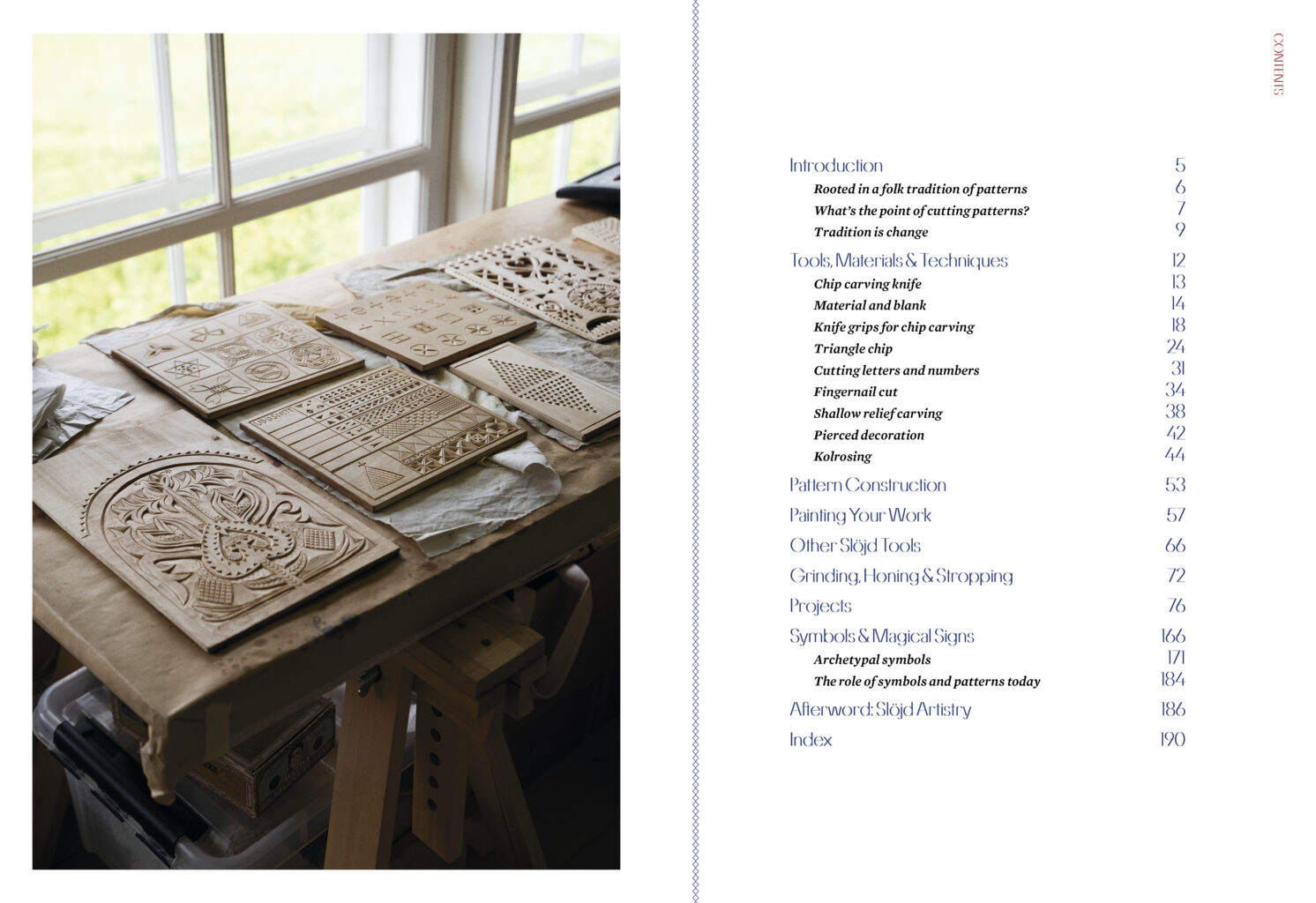
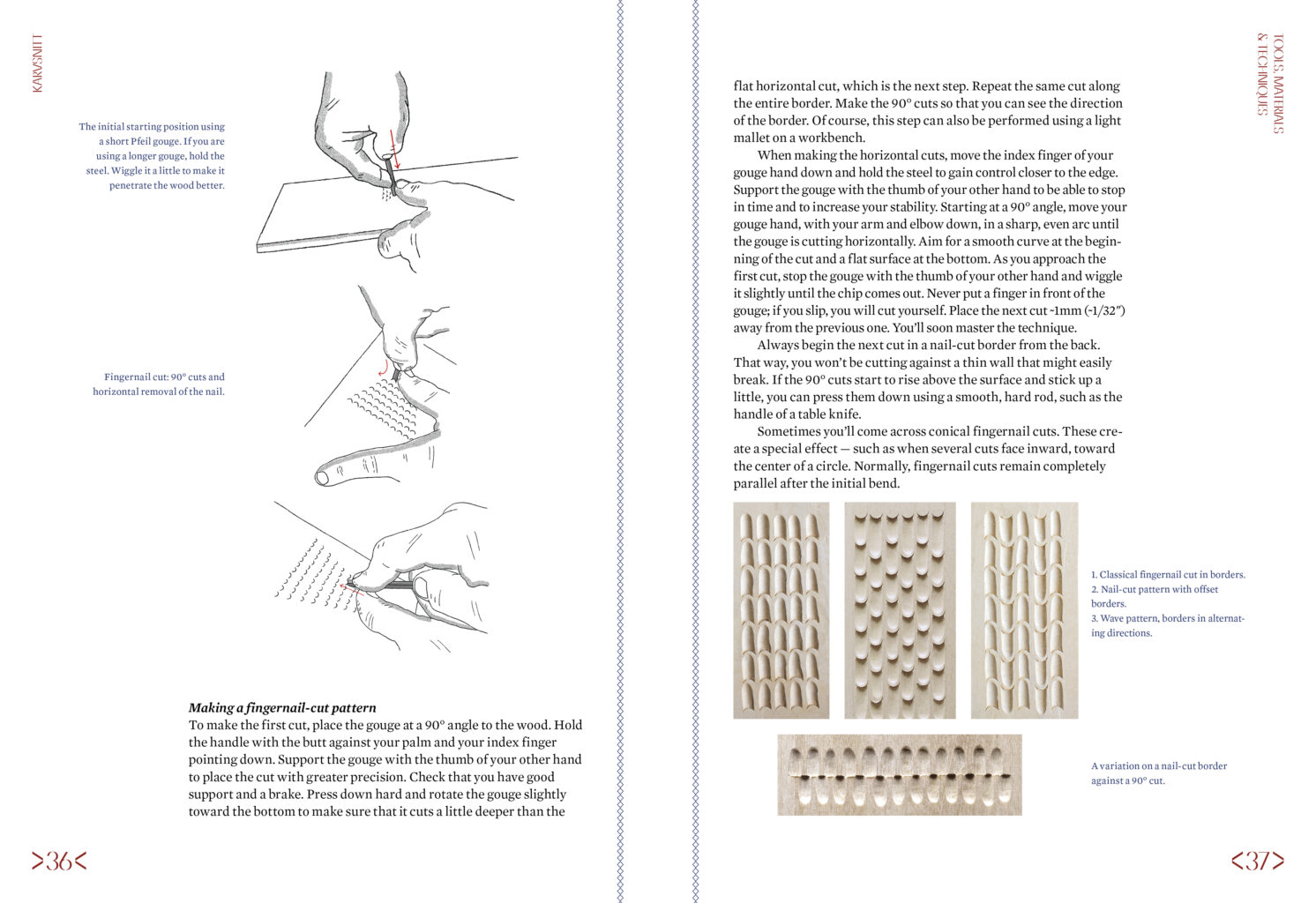
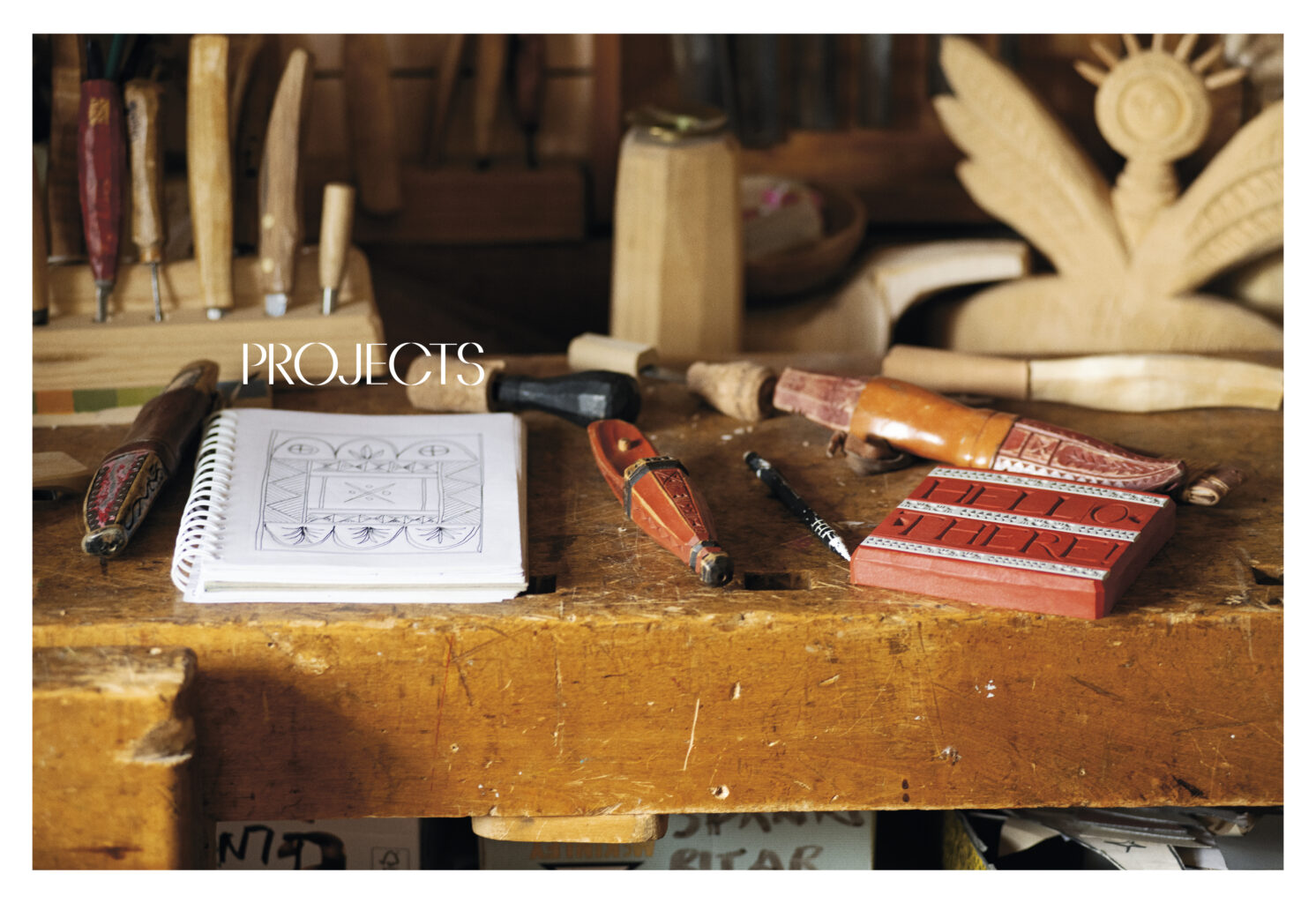
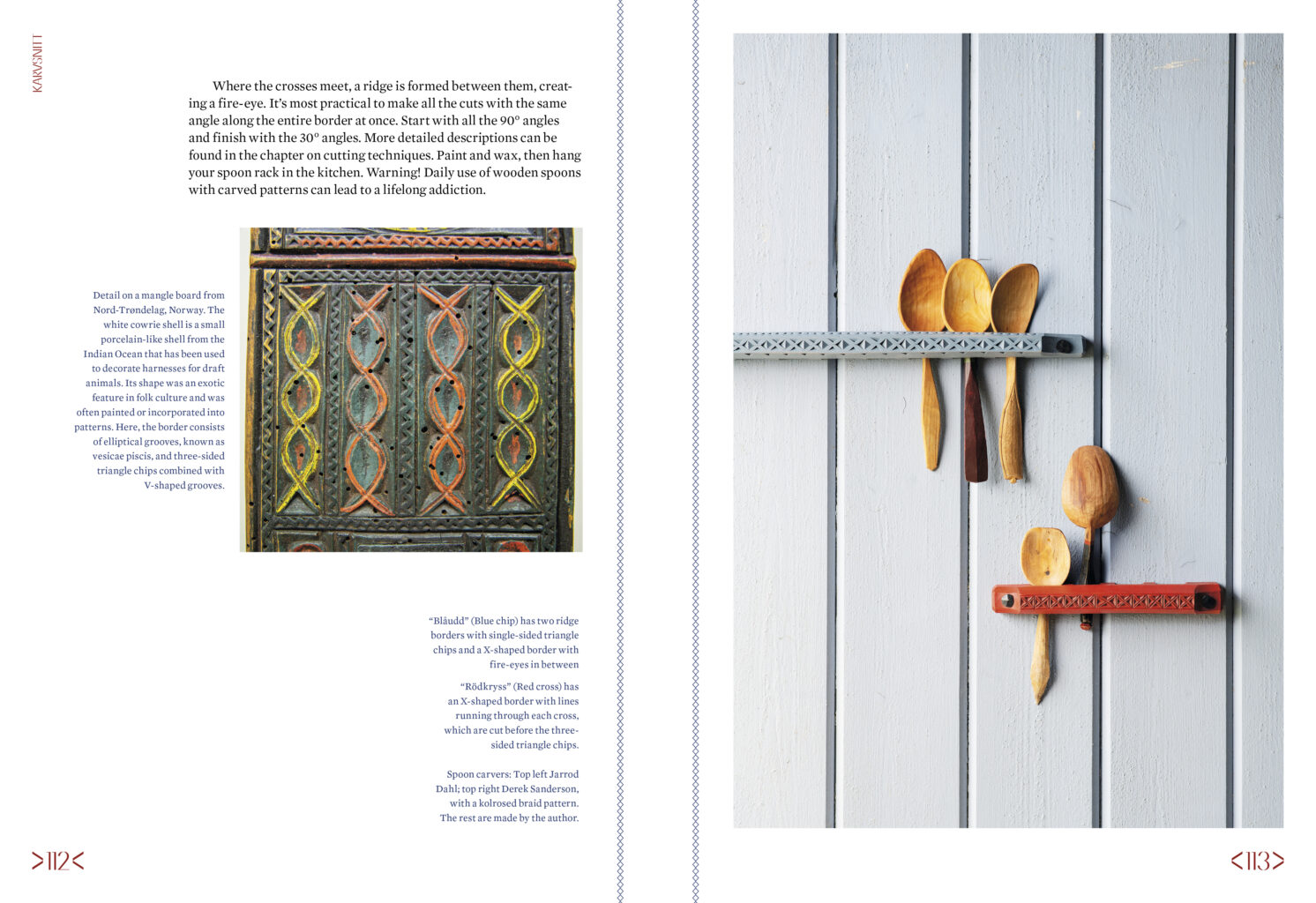
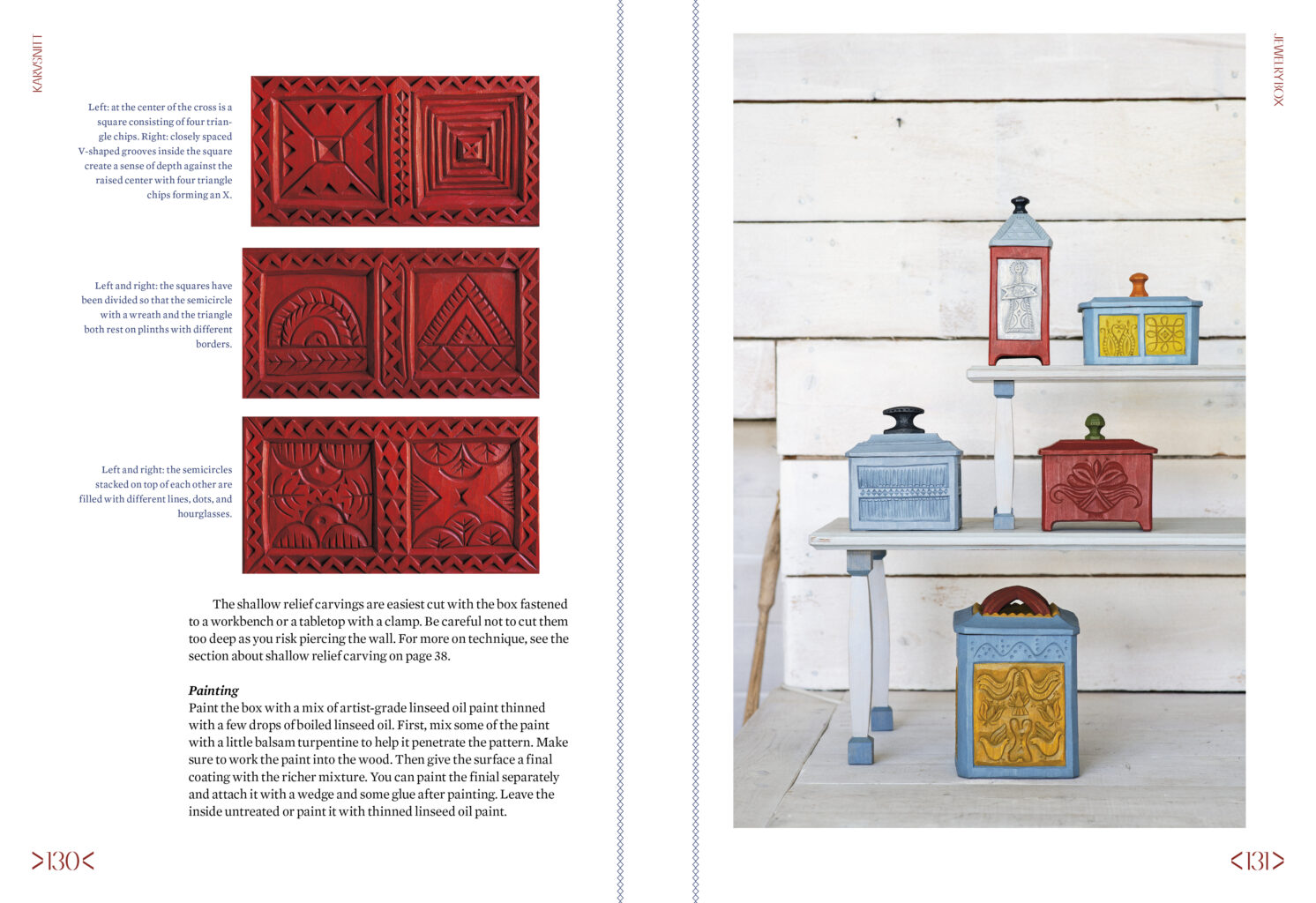
Below is a sneak peek at just a few of my favorite spreads (the whole book is a gorgeous riot of color and pattern). We'll post an excerpt when we get closer to having the book available.
– Fitz
"To me, contemplating what pattern to cut on an object — on a box, spoon or knife handle — feels like I'm being served dessert. I want to enjoy the process, allow the sketching the time it needs to create a unique and ideal pattern: a decoration that I can cut at my leisure, safe in the knowledge that it will stand the test of time for many years to come. This is the feeling and experience I want to share with you." – from the Introduction
"The ideal is when the color catches the light and, in an almost magical way, lends a resonance to both the carved surface and the decoration. For me, that's argument enough." – from the chapter on Painting
"A slöjd object with a consistent expression and a purpose connected to the context in which it is used tends to last longer in terms of design. When patterns and symbols align with function, the different parts are bound together into a whole by the subtext — a certain unity to which they all contribute." – from the chapter on Pattern Construction
"The desire to communicate through signs and symbols goes back eons. In 2018, the earliest known artistic creation by a prehistoric people was discovered in South Africa's Blombos Cave. A flat stone with nine lines of chalk is believed to be the world's oldest work of visual art made by humans. About 73,000 years ago, this chalk drawing with an abstract motif could be understood by others. Even then, humans were able to use symbols and store information outside our brains." – from the chapter on Symbols & Magical Signs



No comments:
Post a Comment