fitz posted: " FIG. 1. AN INVALUABLE ITEM IN THE HOUSEHOLD.Main sizes are 24 ins. long, 14 ins. wide, and 16 ins. high. It will be seen that in addition to holding a good range of tools there is accommodation for nails, screws, small fittings, etc. The following is " Lost Art Press
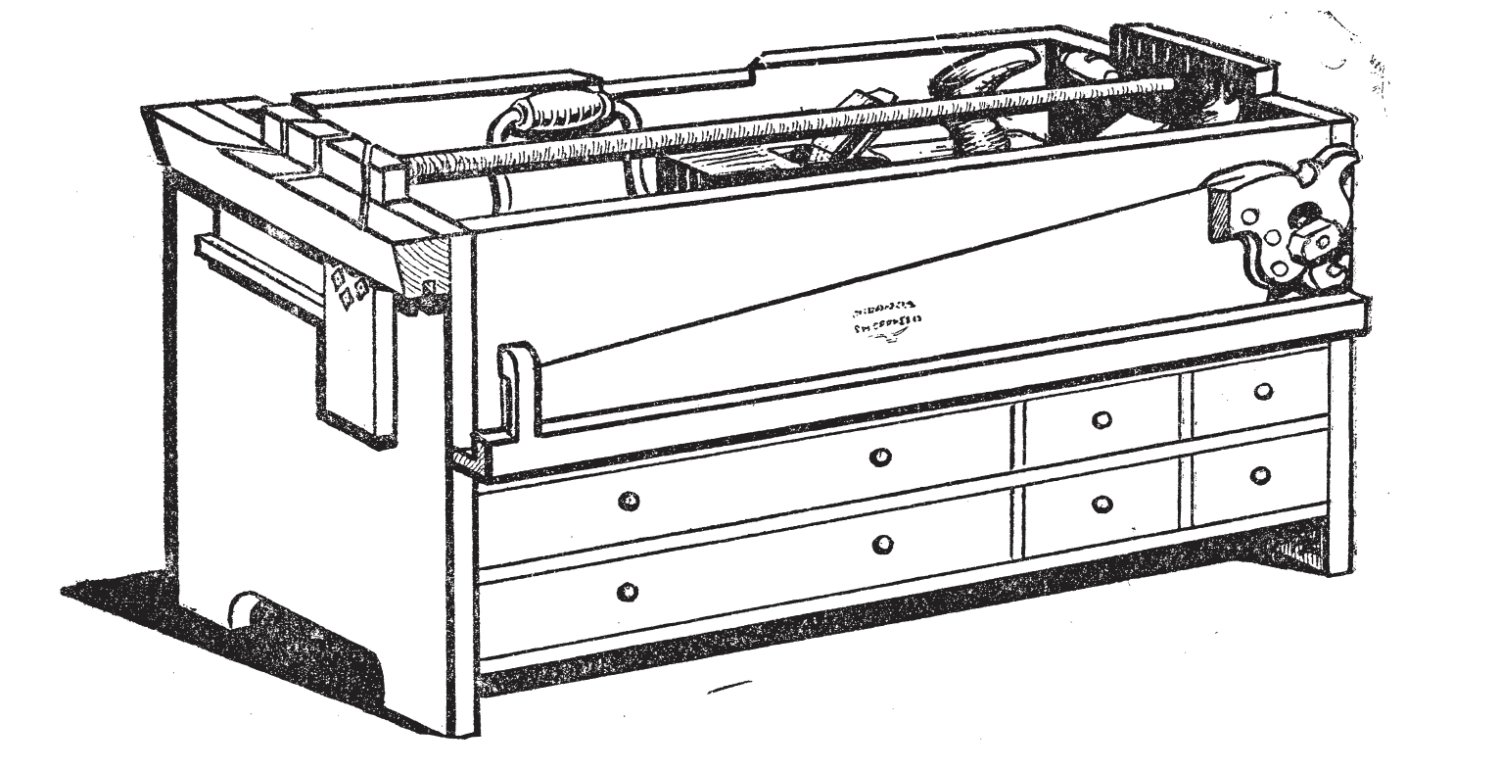
FIG. 1. AN INVALUABLE ITEM IN THE HOUSEHOLD. Main sizes are 24 ins. long, 14 ins. wide, and 16 ins. high. It will be seen that in addition to holding a good range of tools there is accommodation for nails, screws, small fittings, etc.
1) The Workshop, including the design and construction of workbenches, tool chests and wall cabinets. There's also an entire section devoted to "appliances,"which are workshop accessories such as shooting boards.
2) Furniture & its Details, includes a discussion of all the important Western furniture styles, including their construction, mouldings and metal hardware. This section also includes the construction drawings for many important and famous pieces of furniture examined by Charles H. Hayward during his tenure at The Woodworker magazine.
3) Odds & Sods. In addition to offering its readers practical information for the shop, The Woodworker also asked it subscribers to think about the craft and its place in modern society. We have included many of our favorite philosophical pieces in this final section.
A stool container which will house your ordinary bench tools and act as a mitre sawing and shooting board is illustrated in Fig. 1. It can be easily carried around the house and placed near the exact spot where the actual work is in progress. For a household kit of tools it has many advantages over a small tool chest which has to be kept in a store room or garage. There is no key to lose, and no lid to lift. When not in actual use it can stand in the kitchen and be used as a step to gain access to the upper kitchen shelves.
The container is easily and inexpensively made. Much of the wood required may be taken from clean packing cases or from salvage timber. The ends are dowel glue-jointed and the joint line is arranged so that it does not come in the centre of the width of the end and thus foul the sawing kerf and the round handle. With regard to size there is no hard and fast rule, but suitable dimensions are 24 ins. long over-all by 14 ins. across the width of the end, and 16 ins. high.
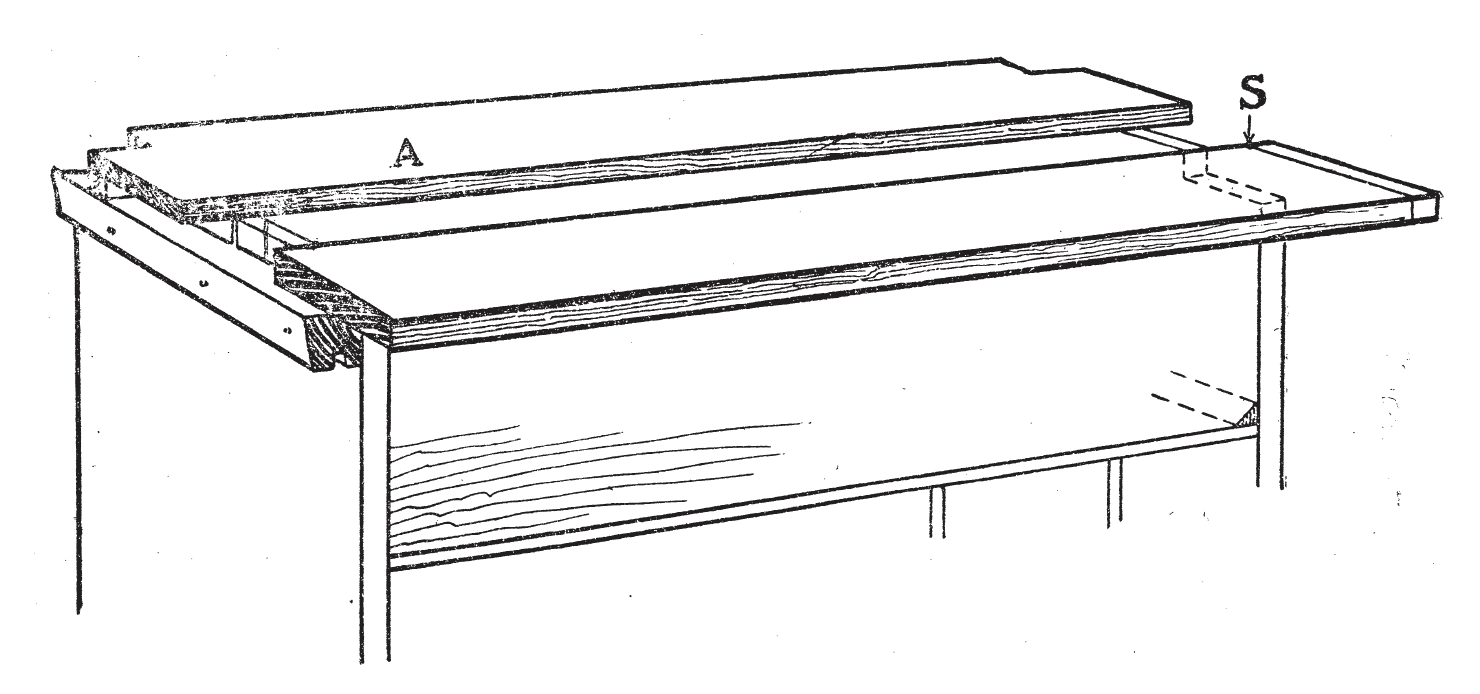
FIG. 2. THE SHOOTING BOARD (A) TURNED UPSIDE DOWN
The thicknesses of the stool ends should be not less than 7/8 in.; the same thickness applies to the long wide sides. The drawer fronts and the longitudinal divisions between the drawers should be out of 5/8 in. or 3/4 in. wood; the drawer sides are cut from 1/2 in. or 3/8 in. wood. Drawer bottoms are of 1/4 in. plywood or alternatively cut out of clean margarine box timber which has been planed to a clean finish.
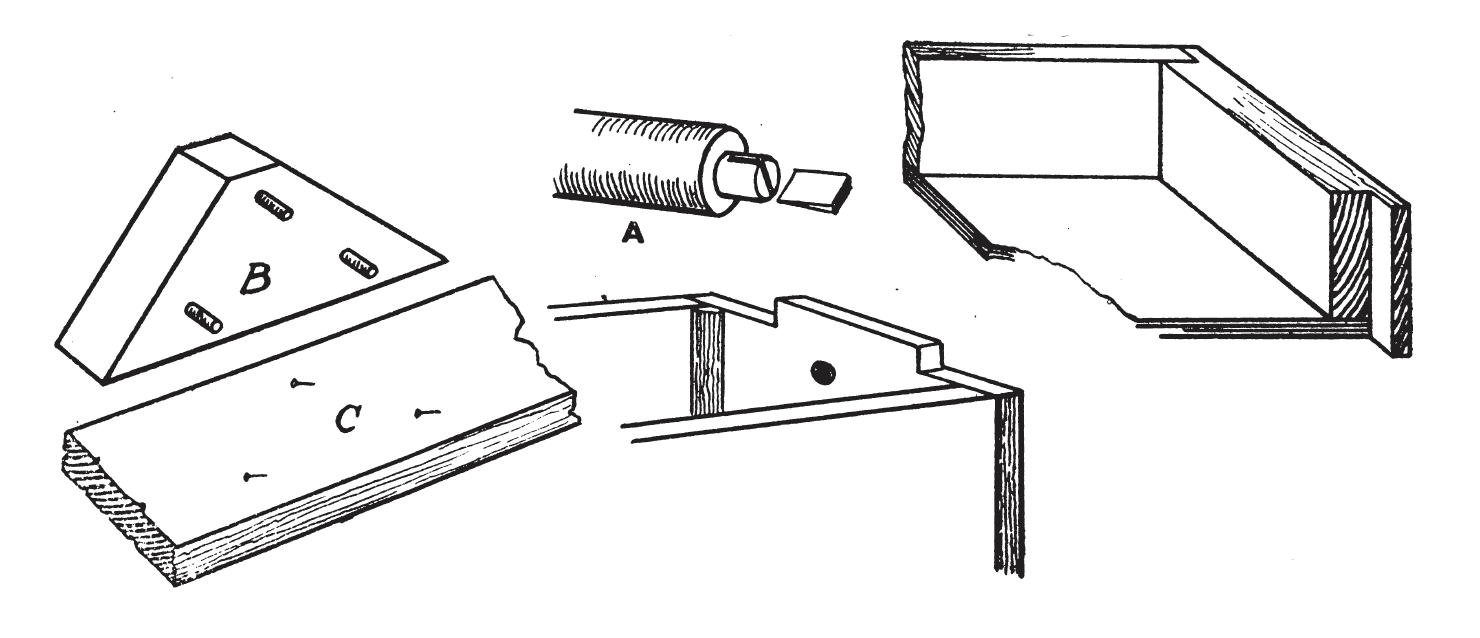
The long round rod which runs from end to end of the stool is made from a piece of 1-1/4 in. or 1-1/2 in. round blind roller rod, or alternatively an old piece of ash from a broken hay rake handle may be requisitioned. The method of shouldering, saw kerfing, and wedging this handle in position is given in Fig. 5a. Note that the saw kerf and wedge are placed diagonally so that when wedging up there will be no tendency to split the stool end in the direction of its grain.
The ends of the stool are skew nailed to the long sides. This will prevent distortion and open joints owing to the racking which is bound to take place when the stool is subject to rough usage. The nails should be of the cut variety because they hold in the fibres of the wood much better than the round polished wire nail. The interior of the well of the stool should be glue blocked at the ends as suggested in Fig. 5. Glue blocks should also be used around the bottom of the well. The long rail between the drawers and long bottom rail need not be more than 1-3/4 ins. in width. They are stub-tenoned for 5/8 of an inch into the ends. Small runners should be kept as narrow as is convenient because they have little weight to carry and the object is to keep the stool as light as possible for carrying about.
The long drawers, 1-3/4 ins. deep, accommodate chisels and gouges, oilstone, joiner's bevel, dovetail saw, and similar small tools, such as bits, etc. Twist bits should be kept in a partitioned green baize bag. The four smaller drawers are divided into suitable compartments to contain panel pins, tacks, screws, etc.
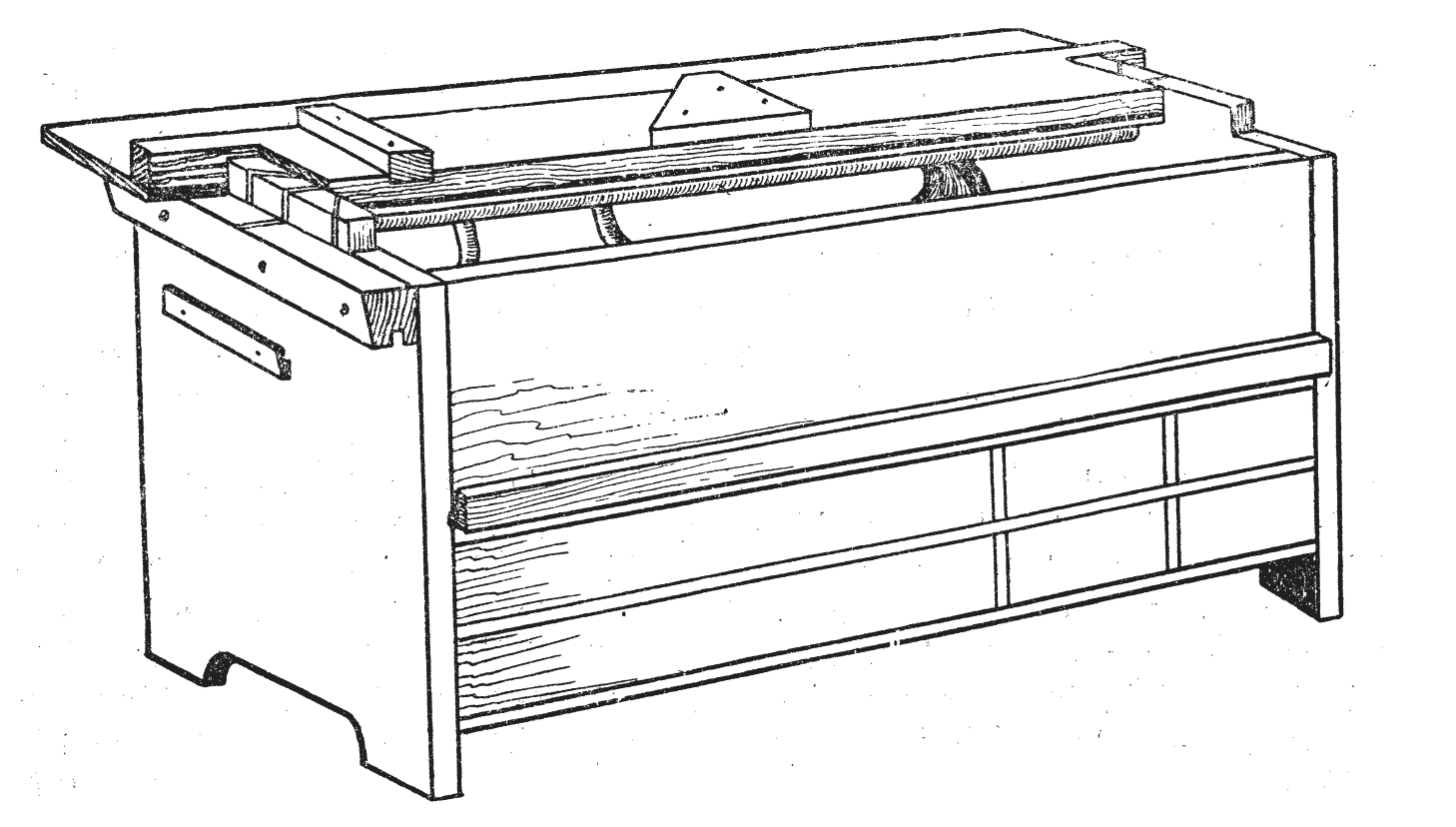
FIG. 3. THE SHOOTING BOARD IN POSITION READY FOR USE.
At the near end of the stool provision is made for mitre cutting. The well or hollow box portion will take the jack and the smoothing planes, ratchet brace, pliers and pincers, screwdrivers, and the household axe. The tenon saw is suitably fixed at the rear outside end of the stool, which is large enough to take this 12 in. tenon saw and the ordinary bench hammer. It will be noticed that suitable provision is also made for the handsaw and a 6 in. try-square in the handiest positions. Fig. 2 shows the method of dealing with long stock when it is required to cut off the waste end (S). Of course the worker would have his left knee on top of the board. In the same sketch is shown the auxiliary shooting board (A) when turned upside down. It becomes a step for the workman to increase his height.
As an adjunct to the stool we show in Fig. 3 an auxiliary shooting and mitre board. It is made as a separate unit, and fits on top of the stool as shown. It will be observed that in Fig. 1 the side of the stool is cut away to receive the mitre block and the squaring rail. Thus it can be reversed as previously mentioned when it is not required. When fitting the mitre block (B) on to the shooting board it can be positioned by placing three ordinary pins on to the board (C). Put the block (B) in the position it will occupy and give to the top of the block a smart tap with the hammer. This will give to both B and C suitable indentations which will tally with each other. At these points the worker bores 3/8 in. holes with his twist bit and duly inserts his dowels. The dowels are glued into block (B) only. This allows the mitre block to be levered out of its position with the screw driver when not required. For instance when jointing the long edges of boards the block (B) would of course be in the way of the plane, and therefore it is made removable.
There is no need to go to the trouble of dovetailing the drawers. A quite good drawer can be made as shown in Fig. 6, lapped joints being used. The bottom edge of the drawer front is rebated to agree with the bottom.
Do not paint the tool stool; it makes it heavy to carry about. If you must attempt some type of finish give the job a coat of brush shellac or spirit varnish and when dry rub it down with No. 1-1/2 grade glasspaper. Then apply a second coat of shellac varnish, or a coat of clear Varnene. This will prevent the job from holding dirt.



No comments:
Post a Comment